Group Fitness Classes vs Working Out Alone
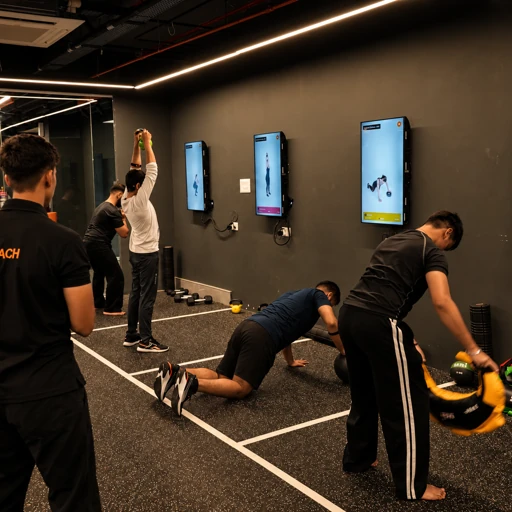
Prefer training on your own or working out with a group? Compare the benefits of structured classes and independent gym sessions to find an approach that fits your goals, schedule and motivation.
Some people love walking into the gym, putting on their headphones and following their own workout.
Others would rather have a planned session, a group around them and someone guiding the flow of the workout.
Neither approach is automatically better. The right choice depends on your goals, personality, experience and schedule.
If you're deciding between group fitness classes and independent gym training, here's how the two compare — and why you may not need to choose just one.
What is independent gym training?
Independent training means following your own workout rather than participating in a scheduled group session.
You might use free weights, resistance machines or cardiovascular equipment according to a programme you've developed yourself or received from a qualified professional.
The advantages
More flexibility. You can usually choose which exercises to perform and how to structure your session, within the gym's operating arrangements.
Individual focus. You can concentrate on specific goals, such as developing strength or practising particular movements.
Control over your pace. You can rest between sets according to your needs and adjust the session as appropriate.
Room to build independence. Over time, following a structured programme can help you become more confident about managing your own workouts.
What can be challenging?
If you're new to exercise, deciding what to do can feel confusing. Without a suitable programme, you may repeat exercises without a clear progression or change your routine too frequently.
Independent training can also require more self-motivation. If you struggle to start a workout without external structure, having a plan ready before arriving can help.
What are group fitness classes?
Group fitness classes bring participants together for a scheduled workout, often with a defined format and a shared session plan.
The experience varies depending on the class. A dance fitness session will feel very different from a structured strength or conditioning workout.
At Coreo, group fitness is one of several ways members can approach training. The group workout experience can include AI-assisted workout displays and real-time heart-rate tracking through compatible wearables.
The advantages
A clear structure. You arrive for a planned session rather than having to design every part of your workout yourself.
A shared experience. Exercising alongside others can make training feel more engaging and enjoyable.
A scheduled commitment. Having a class on your calendar can help you build a routine.
Variety. Different classes can introduce you to new exercises and training formats.
Useful workout feedback. Where real-time heart-rate tracking is available, it can provide additional information about your effort during a session. It should be interpreted in context rather than treated as a perfect measure of workout quality.
What can be challenging?
Classes follow a schedule, so you need to find sessions that fit your day.
The pace and format may not suit everyone equally. Beginners or people returning after a break may need suitable modifications, and anyone with relevant health concerns should check whether the session is appropriate.
A good class experience should allow you to work at a level suited to your ability rather than feel pressured to match everyone else.
Group fitness vs independent training: a quick comparison
Factor
Group fitness
Independent training
Workout structure
Usually planned in advance
Depends on your programme
Scheduling
Based on class timings
Often more flexible
Social experience
Shared group environment
Usually self-directed
Exercise selection
Determined by the class format
Selected for your goals
Feedback
Depends on the class and tools available
Depends on your programme and support
Best suited to
People who enjoy structure and shared sessions
People who prefer flexibility and individual focus
These are general differences, not strict rules. A well-designed group class can accommodate different abilities, and independent training can still include professional guidance.
Which option is better for your goals?
If you're a beginner
Both can work.
A suitable group class may make it easier to get started because the session has a defined structure. Independent training can also work well if you have a beginner-friendly programme and know how to perform the exercises safely.
Choose the option that makes you more comfortable showing up consistently.
If your goal is strength development
Independent strength training can make it easier to focus on specific exercises and progressively adjust resistance.
Group sessions can complement that routine by providing additional conditioning or variety, depending on the class.
If you want a more enjoyable routine
Think about what makes you look forward to exercising.
If music, shared energy and a planned session make training more enjoyable, try group classes. If you prefer quiet focus and control over your routine, independent training may suit you better.
If your schedule changes frequently
Independent workouts may offer more flexibility. However, if you can attend classes at consistent times, scheduled sessions may help establish a reliable routine.
If you want a balanced approach
You can combine both.
For example, you might follow a strength programme on certain days and attend a group session on another day. The appropriate balance depends on your goals, total training load and recovery.
What makes Coreo's group training different?
Coreo's group training combines a scheduled workout experience with AI-assisted workout displays and real-time heart-rate tracking.
The aim is to give participants a more structured way to follow a session and see information about their effort as they train.
This technology is one part of the experience, not a replacement for sensible exercise programming or individual judgement. Your training should still reflect your ability and goals.
Coreo also offers other ways to train, including strength training, functional training, Zumba and yoga.
How to decide: try the experience
You can spend hours comparing training methods, but you will learn more by experiencing the options.
Think about whether you enjoy following a class, whether you prefer planning your own session and how each approach fits into your week.
If you are unsure, start with one suitable option and evaluate how it feels over time. You can adjust your routine as your preferences and goals develop.
Final thoughts
Group fitness and independent training can both support a consistent exercise routine.
Group classes offer a shared experience and a planned session. Independent training offers more control over your exercise selection and pace.
The best option is the one that supports your goals and makes it easier to keep training.
And remember, you don't have to choose only one.
Want to experience Coreo's training options? Book a free trial in Balewadi, Pune, and explore the approach that suits you.
Frequently asked questions
Are group fitness classes good for beginners?
They can be, provided the class suits your current fitness level and offers appropriate exercise modifications. Check the format before attending.
Can group fitness help with weight management?
Group exercise can contribute to overall physical activity. Weight management also depends on factors such as nutrition, daily activity, sleep and individual circumstances.
Is independent training better for building muscle?
Independent training can make it easier to follow a specific strength programme, but muscle development depends on suitable training, progressive challenge, nutrition and recovery rather than the setting alone.
Can I combine group classes and strength training?
Yes. Many people combine different training formats. Plan the overall workload around your goals, experience and recovery.